Gus Morris is a 3D Artist working at the game company AetherSoft. He has played video games since childhood and chose his profession inspired by the heroes he once admired. Now, he stands at 1.80 meters tall, with long unkempt hair, an overweight body, and a careless appearance. His attitude and personality isolate him from his boss and coworkers. They tolerate him only because his role in their projects is indispensable.
Gus lives in a detached house with his coworker Finn. Finn is everything Gus is notcharismatic, attractive, and effortlessly kind. He accepts Gus without judgment and sees the pain he carries inside. Gus, however, is consumed by jealousy. Finn embodies every quality Gus wishes he possessed.
Gus’s life is a repeating loop:
work… model characters… return home… play games… eat… sleep.
A cycle without meaning. A life without change.
Though he fights to redefine himself, Gus fails to escape his comfort zone and cannot connect with the people around him.
Everything begins to fracture when a new 3D Artist joins the company: Chloe Bennett.
Chloe is already a legend in the industry. Whispers follow her through the halls. Gus believes she has come to replace him. Though he despises the company, he clings to his job out of fear. Fear of losing income, fear of leaving his comfort zone, fear of becoming nothing.
One day at work Finn announces:
“I want to throw a party for Chloe… at our house.”
From that moment on, Gus’s world begins to collapse.
When Gus feels overwhelmed, he escapes into an old game he calls his sanctuary:
Skayer’s Adventure.
A forgotten Hack & Slash game with broken graphics and a rigid, linear story. Gus forms a delusional bond with its hero, Skayer, believing he understands him better than anyone else ever could.
Skayer is a warrior who travels between worlds through endless portals, saving people who cry for help. His destiny never changes.
Every journey ends in the same place:
the temple in the Glacial Valley, where the final boss is defeated…
and the cycle begins again.
The day before the party, AetherSoft holds a critical meeting with a publisher. Gus forgets. He arrives at the office only to discover the meeting has already begun elsewhere. His boss erupts in rage and orders him to stay overnight and finish all his work or be fired.
Instead of working, Gus sinks deeper into his game.
And something changes.
When Skayer enters the Glacial Valley, he does not reach the temple.
He is pulled into another universe.
Skayer speaks:
“I am tired of this endless cycle.
I will take revenge on those who forced me into this prison.”
The one who trapped Skayer in this loop more than anyone else…
is Gus.
And Gus becomes Skayer’s first target.
Reality begins to fracture.
Hallucinations bleed into the real world.
Game and life merge into one.
Barely conscious, Gus manages to return home. He convinces himself it was only exhaustion. Only stress. Only imagination. Yet he cannot sleep until the night of the party arrives.
The party becomes his breaking point.
His sanctuary is invaded.
His comfort zone is destroyed.
Surrounded by laughter, music, and strangers, Gus loses his grip on reality completely.
In the chaos between worlds, between hero and player, between fear and desire…
Gus must finally confront himself.
And for the first time, fight not to escape…
…but to exist.
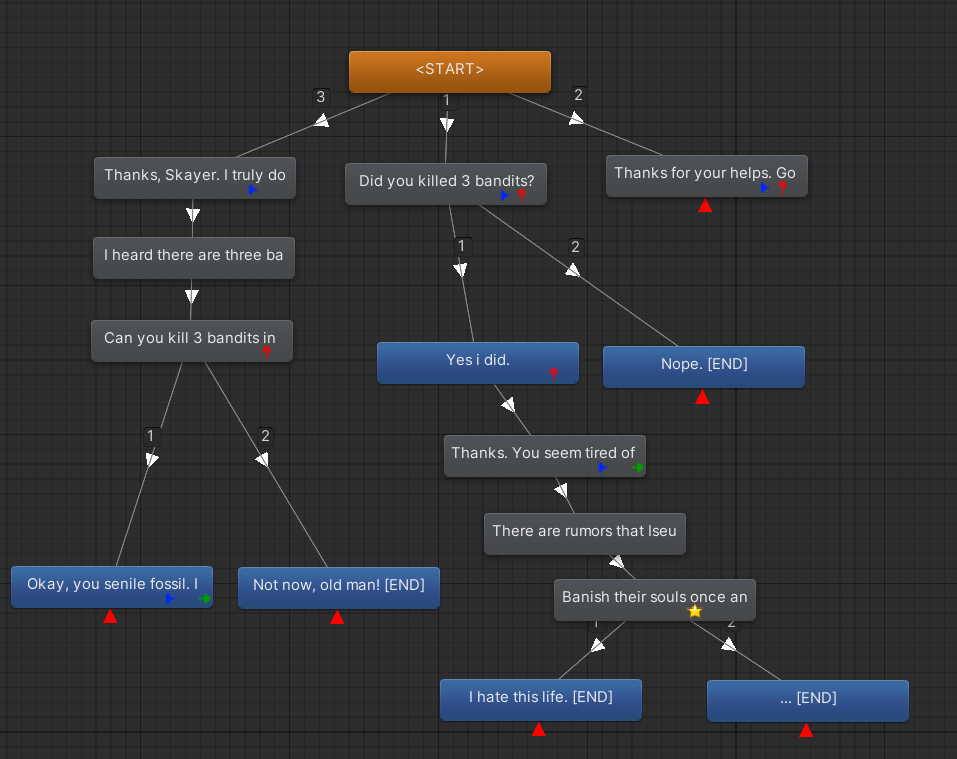
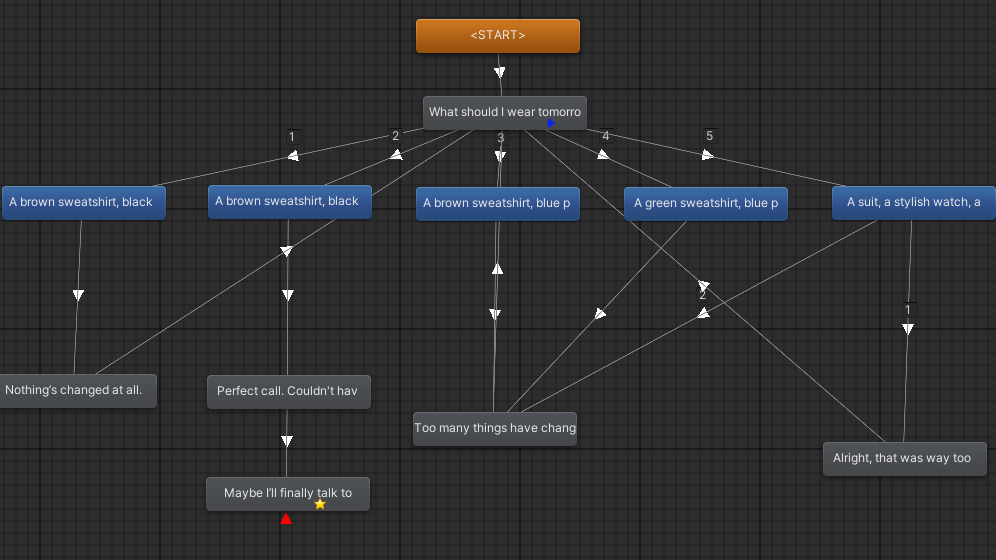
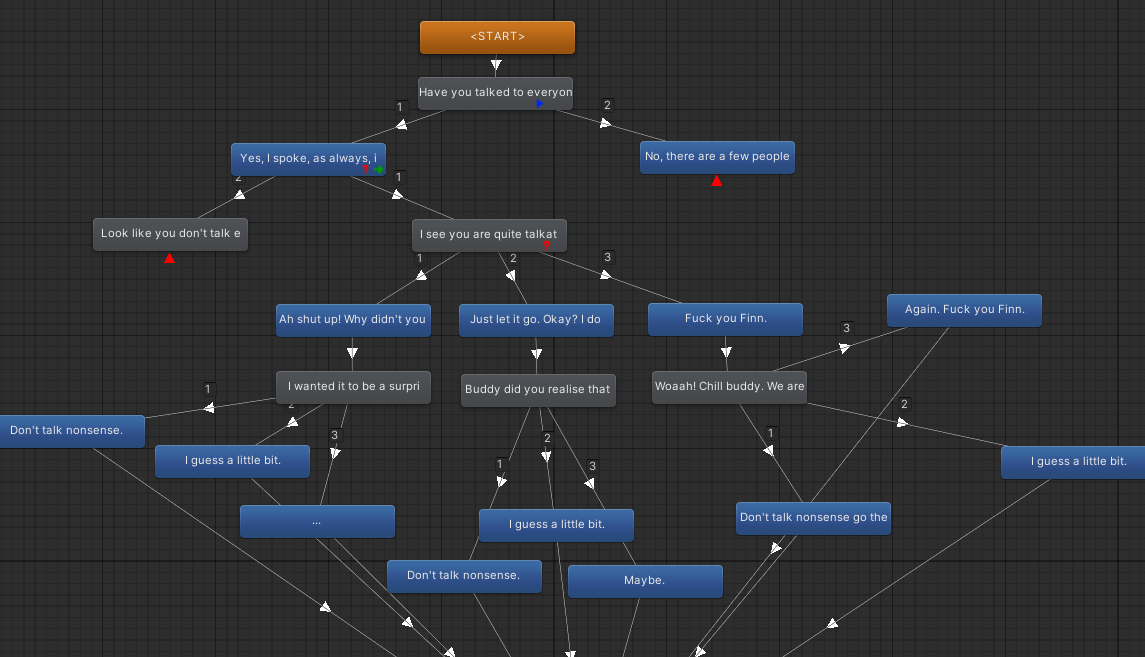
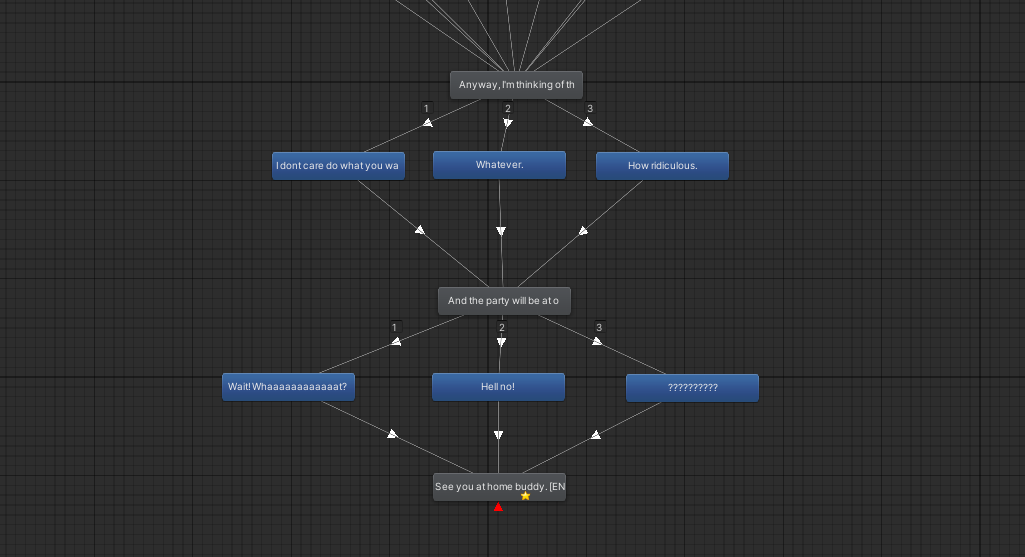
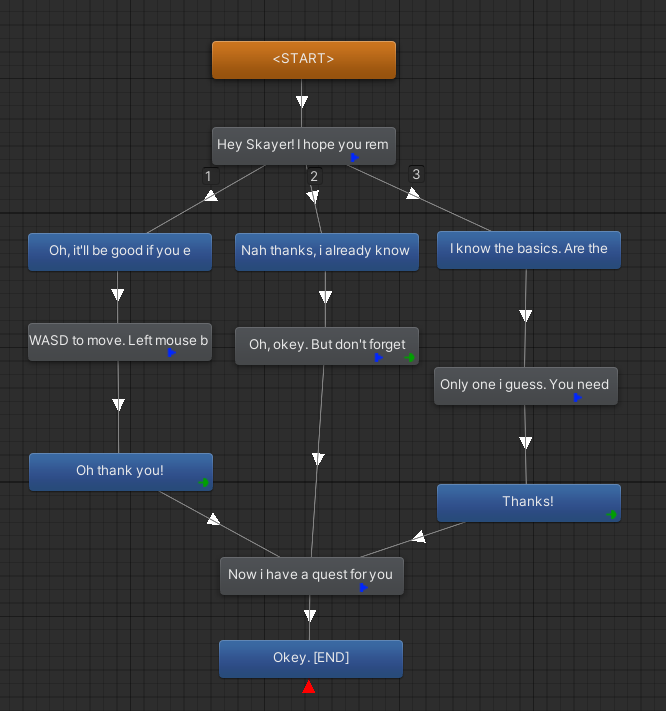
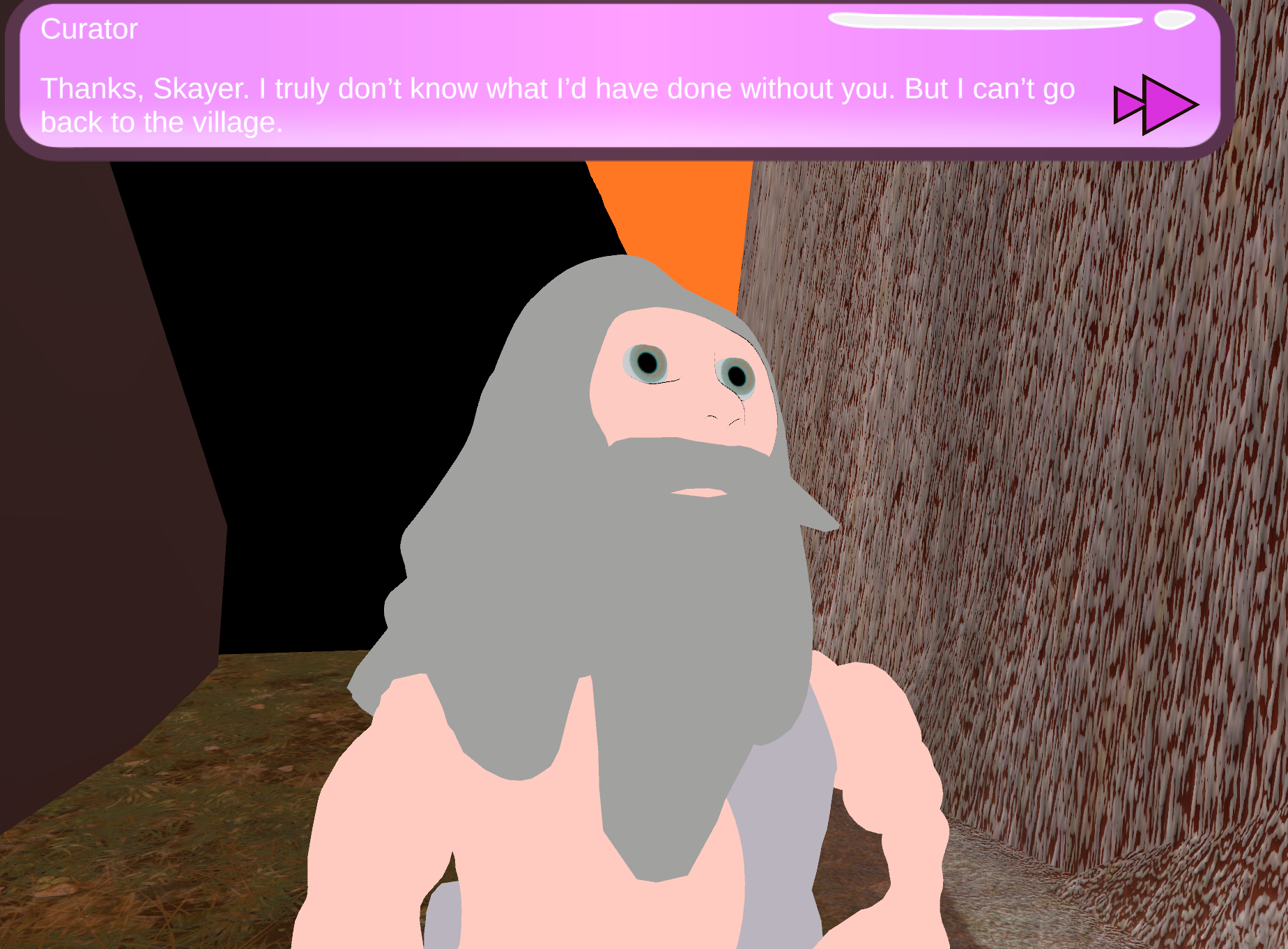
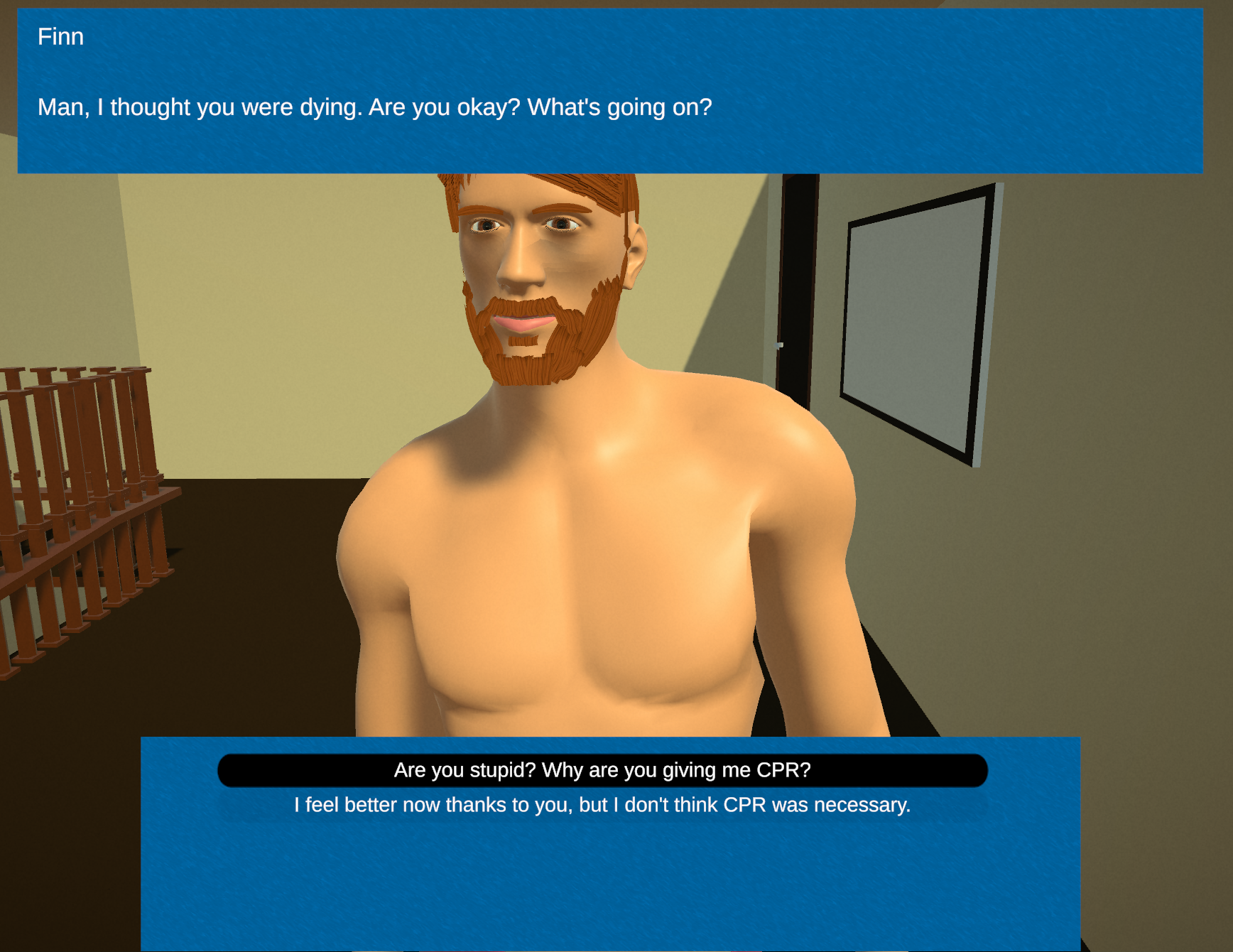
GUS DIALOGUE EXAMPLES
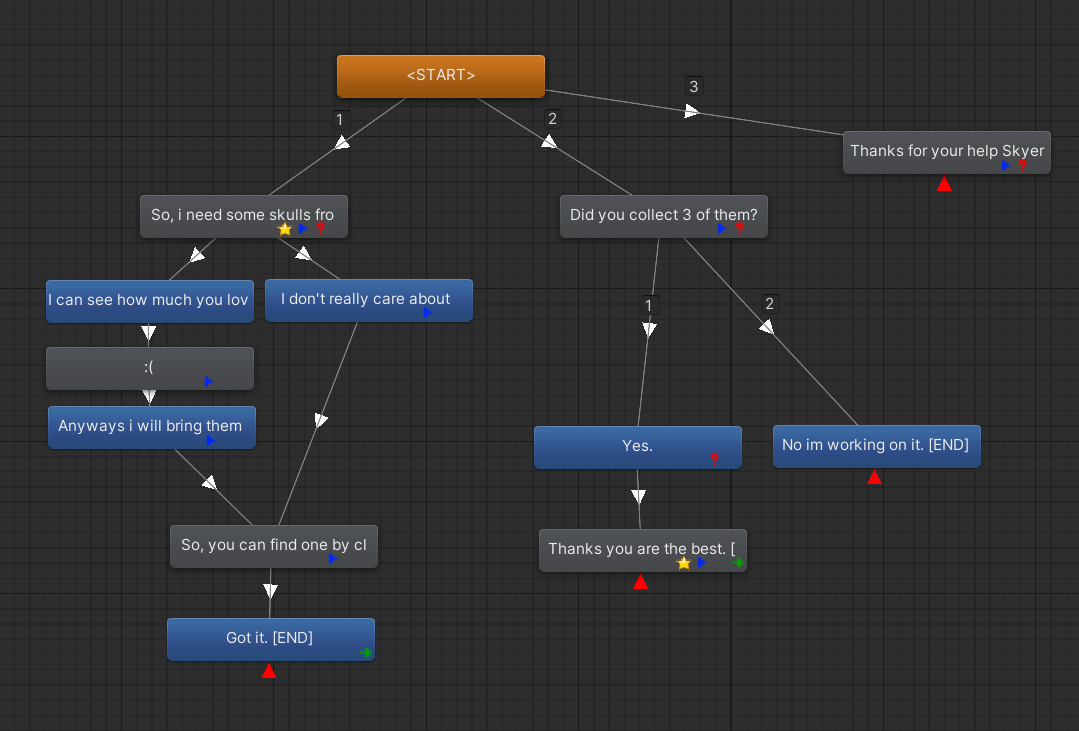
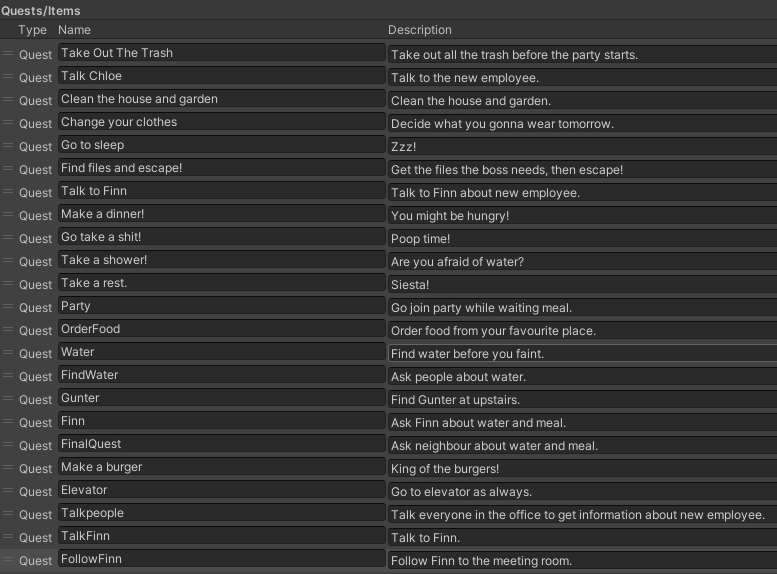
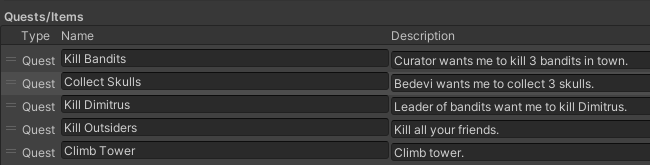
GUS QUEST EXAMPLES
zortbıe narratıve
This project was my very first text-based game, developed in C++ during my first year of university.
At the time, I found it funny that the game grew to nearly 1000 lines of code, but it became an important learning experience for me.
Even though it is a simple console-based game, I wanted to challenge myself by building a narrative-driven structure with multiple endings and player choices. My main goal was to explore how storytelling, decision-making, and gameplay systems could work together, even without graphics.
This project represents my first attempt at game narrative design and branching storylines, and it shows my early interest in creating interactive experiences rather than just writing code.
Looking back, it reminds me where I started and how my approach to game development has evolved over time.
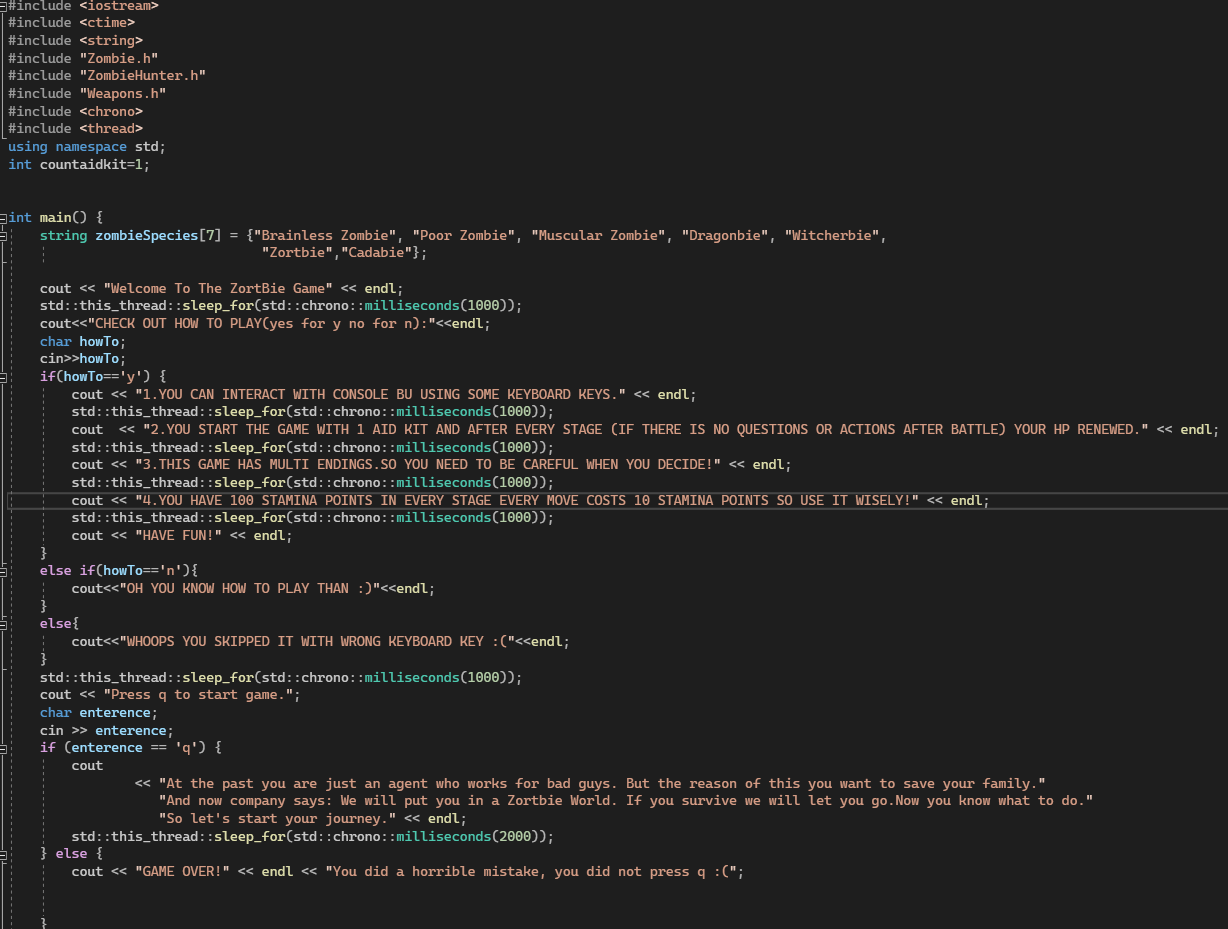
zortbıe code example
Don’t worry, I won’t make you read through the entire code line by line.
Instead, I will try to showcase both the combat system and the narrative elements with a short gameplay video.
This way, you can get a quick impression of how the game works and how I approached storytelling and multiple endings, even in a text-based format.